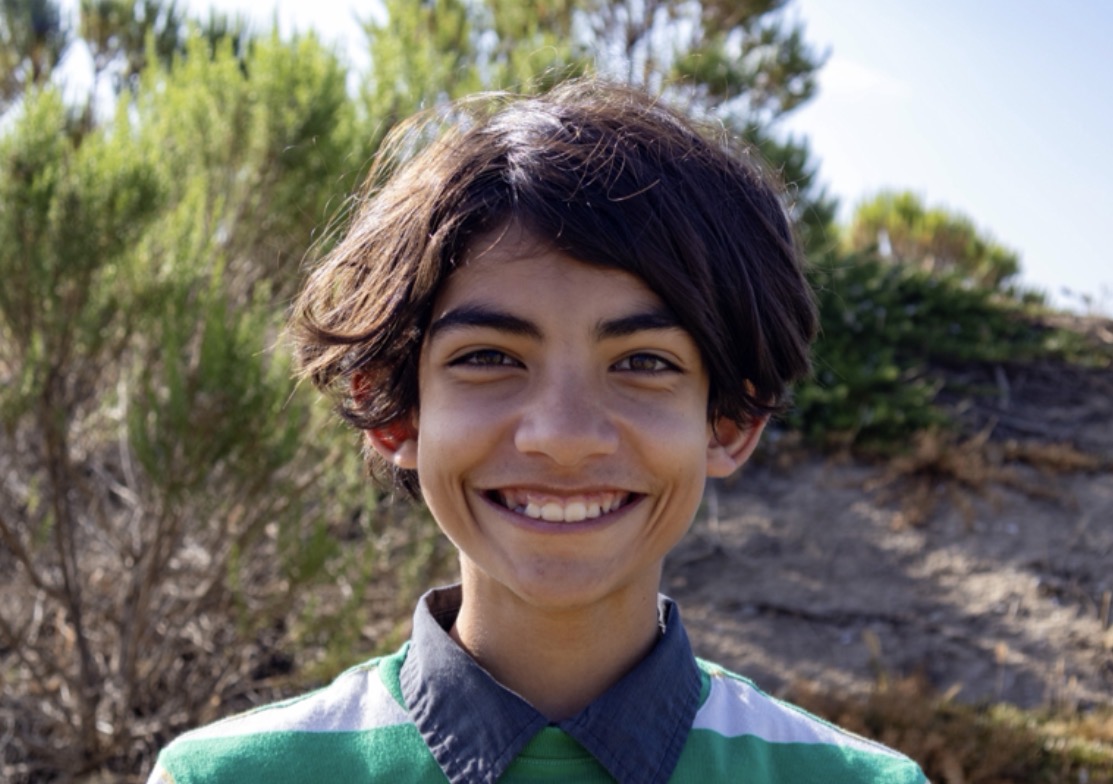
The opioid crisis is no longer just a distant headline. It is reaching into middle schools and high schools, including right here in Rancho Cucamonga. Seventh-grader Riyan Kapadia refuses to sit on the sidelines. A student at Day Creek Intermediate School and a member of the city’s Youth Leaders program, Riyan is leading an effort to raise awareness and equip local schools with the tools to save lives.
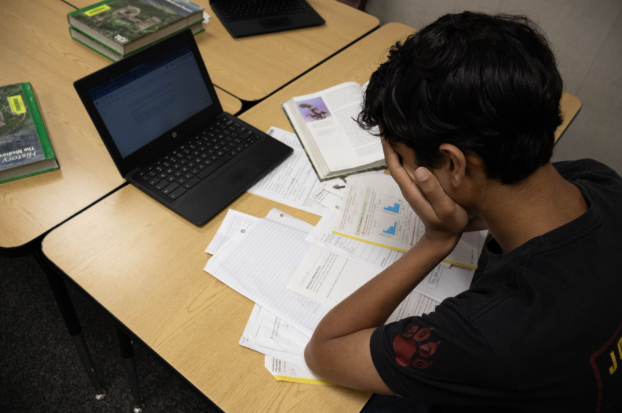
Working alongside teammates who are mostly high school students, Riyan has spent months collecting data from schools, health officials, law enforcement, and community organizations. Their clear goal is to convince the city to place Narcan (naloxone), the overdose-reversal drug, in every public school. On May 27, Riyan and his group will present their research and formal proposal directly to the mayor and city council.
Narcan was developed in the 1960s and is now available as an easy-to-use nasal spray. It can reverse an opioid overdose in minutes. Studies show it successfully saves 93 to 98 percent of people when it is given in time.
“It’s basically an injection. If someone overdoses and they’re about to die, you give them Narcan and they’re not totally fine, but they survive long enough to get to a hospital. A lot of people have overdosed and died because no one around them knew what to do,” Riyan said.
Beyond the push for Narcan in schools, Riyan and his team are focused on education and prevention. They are talking with classmates, friends, and families about how opioids, often starting with what seems like a harmless single pill or “just a one-time thing,” can quickly lead to addiction and tragedy.
“A lot of kids that take drugs think that maybe it’s just a one-time thing, but it keeps on getting worse and worse. That’s what opioids do; they keep getting worse over time. And the kids that don’t know the danger of it will never know what to do in that situation,” Riyan said.
Riyan’s passion stems from a simple desire to serve his community and save lives. “I wanted to start this program because I feel like I’m actually helping the city and making a difference, not just helping myself,” he said.
The Youth Leaders program is selective. Applicants must show responsibility, compassion, and a genuine commitment to service. Once accepted, the work is entirely student-led. There is no adult in charge; students handle their own research, data collection, scheduling, task assignments, and final presentation.
“Most people in my group are high schoolers and I’m a seventh grader, and I have a lot of flexible time, but the rest of my group doesn’t really. So they set up a certain schedule, and I sort of just have to follow along with the time that they’re free.”
This spring, the team is putting the final touches on their project. They hope their evidence and recommendations will persuade city leaders to fund and approve Narcan kits in every school.
At just twelve years old, Riyan proves that age is no barrier to leadership. By educating his peers and advocating for life-saving resources, he is helping ensure that if an overdose ever happens in a Rancho Cucamonga school, help will be close at hand.